 Venegas General Construction
A Comprehensive Guide for a Smooth Building Experience
Drywall is a common material used in construction, known for its affordability and ease of installation. Knowing how to install it properly can make a big difference in the quality of your home or office space. This guide will break down each step of the process to help you achieve professional results whether you’re doing it yourself or hiring someone.
The Importance of Proper Preparation
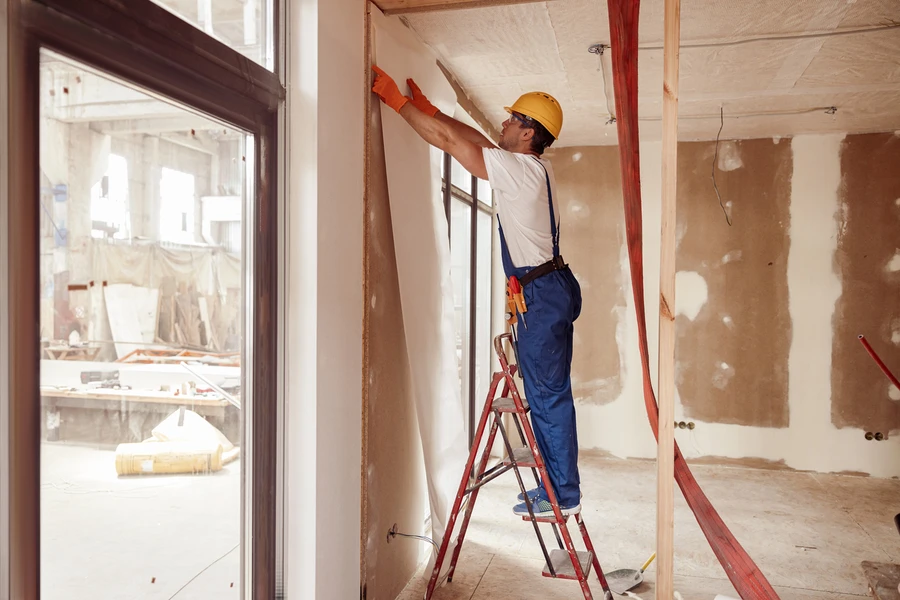
Before you begin, you’ll need to prepare your workspace. This involves clearing out furniture and protecting floors with drop cloths. It’s also crucial to have all necessary tools and materials on hand. These include drywall panels, screws, joint compound, tape, a utility knife, and a drill. Adequate preparation sets the stage for efficient work and reduces errors during drywall installation.
Measuring and Cutting Drywall Panels
Accurate measurements are critical in ensuring that the drywall fits perfectly onto your walls or ceilings. Use a measuring tape to determine the dimensions needed. Once measured, cut the drywall panels using a straight edge and utility knife. Scoring the paper surface allows you to snap off excess pieces cleanly. Properly cutting drywall ensures smoother joints and less waste.
Securing Panels to the Framework
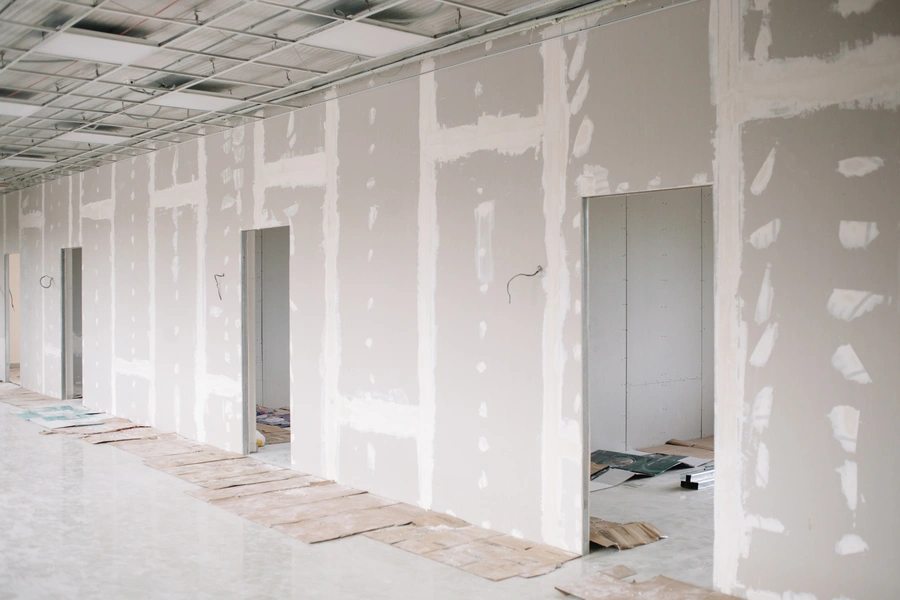
Attach the drywall panels to the wall frame using screws. Start at one corner and work your way across, screwing into the studs at regular intervals. Be sure not to over-tighten screws as this can damage the panel surface. Good support is vital for strong and durable walls during drywall installation.
Taping and Applying Joint Compound
Once the panels are secured, it’s time to cover seams between them. Apply drywall tape over the seams and cover it with a layer of joint compound. Use a taping knife to smooth out the compound, making sure there are no air bubbles under the tape. This process helps create seamless transitions between panels.
Sanding Down Imperfections
After the joint compound has dried, sand down any rough areas until they are smooth. A sanding pole or block provides better control over large surfaces. The goal is to achieve a flat, even texture that blends well with the rest of the wall. Sanding prepares the surface for painting or other finishes.
Applying Primer and Paint
With a smooth surface ready, apply primer to seal the drywall. Primer ensures that paint adheres properly and colors appear vibrant. Once the primer dries, you can then apply your chosen paint color. Consider using multiple coats for a more durable finish. Proper finishing enhances both aesthetics and protection.
The Cost Factors in Drywall Projects
When planning for drywall projects, consider various cost factors such as materials, labor, and potential repairs. While some may opt for DIY methods to save money, hiring experienced professionals often ensures higher quality outcomes. Weighing these options against your budget helps you make informed decisions about cost-effectiveness.
Your Trusted Partner With Quality Solutions
If you are looking for expert assistance with your project, I am here to help. Located in Pico Rivera, CA, I offer reliable services tailored to meet your needs. Contact me at (562) 456-8253 for more information on how Venegas General Construction can assist you in achieving exceptional results.